
IPCONFIG
IPCONFIG provides global ping tests and IP lookup tools for comprehensive network analysis and geolocation insights.
Visit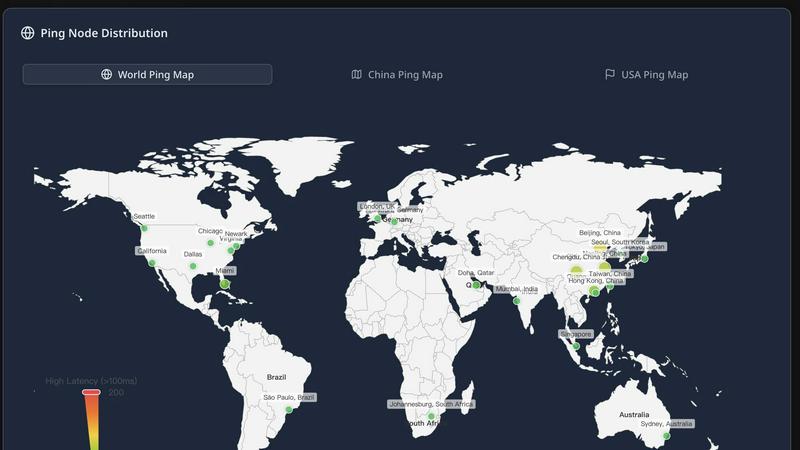
About IPCONFIG
IPCONFIG is a comprehensive, web-based networking utility platform designed to provide immediate, in-depth insights into network connectivity and configuration. It serves as a centralized hub for a suite of diagnostic tools, eliminating the need for command-line expertise or local software installation. The platform is engineered for a broad user base, including IT professionals, system administrators, developers, and general users who require clarity on their network status. Its core value proposition lies in delivering fast, reliable, and accessible network diagnostics from any modern web browser. By leveraging a globally distributed infrastructure of test nodes, IPCONFIG offers accurate multi-region latency measurements, detailed IP geolocation, and connectivity analysis. It fully supports both IPv4 and IPv6 protocols, ensuring relevance for contemporary and future networking environments. This makes IPCONFIG an essential tool for troubleshooting connection issues, verifying network performance, understanding IP attribution, and ensuring overall network health and security for individuals and businesses alike.
Features of IPCONFIG
IP Address Lookup and Geolocation
This feature provides instant, detailed intelligence on any public IP address or domain. It displays comprehensive information including the IP version (IPv4/IPv6), geographic location (country, city, coordinates), Internet Service Provider (ISP), Autonomous System Number (ASN), and local timezone. The tool performs reverse DNS lookups and offers accurate network attribution data, which is crucial for security audits, content localization, and understanding traffic origins. Users can query their own current IP or investigate any other address directly from the web interface or via API integrations.
Global Ping Test and Latency Analysis
IPCONFIG operates a network of over 20 test nodes strategically distributed across seven continents, enabling users to perform ping tests to global destinations. This tool measures round-trip time (latency) and packet loss to multiple points of presence, providing a clear map of network path performance and stability. It is indispensable for diagnosing connectivity problems, selecting optimal server locations for hosting or gaming, and verifying the quality of international network links. The results help identify bottlenecks and problematic network segments affecting user experience.
Integrated Speed and Bandwidth Testing
Beyond basic connectivity, the platform includes tools to assess network throughput. The speed test measures key performance indicators such as download and upload speeds, which are vital for evaluating internet service plan adherence and overall connection capability. The bandwidth test provides deeper analysis into available bandwidth and potential congestion. These features help users and administrators validate if their network performance meets the requirements for data-intensive activities like video conferencing, large file transfers, and streaming.
Developer-Friendly API and Documentation
IPCONFIG extends its functionality beyond the web interface by offering a robust API, making its core features programmable for integration into custom applications, monitoring systems, and automated workflows. Comprehensive documentation is provided for popular programming environments and frameworks, including cURL, Python, and Next.js. This allows developers to programmatically query IP data, initiate network tests, and incorporate professional-grade network diagnostics directly into their own software products, dashboards, or internal tools.
Use Cases of IPCONFIG
Network Troubleshooting for IT Professionals
System administrators and network engineers utilize IPCONFIG to rapidly diagnose and resolve connectivity issues within an organization. By using the ping test across multiple global nodes, they can isolate whether a problem is internal, within their ISP's network, or at a remote server location. The detailed IP lookup helps identify unexpected devices or traffic sources on the network, facilitating swift security and operational responses to outages or performance degradation.
Verification for Remote Work and VPN Users
Individuals working remotely or using Virtual Private Networks (VPNs) rely on IPCONFIG to verify their apparent public IP address and geolocation. This confirms that their VPN or proxy service is functioning correctly and masking their true location as intended. It also helps in troubleshooting connection issues specific to VPN tunnels by checking the baseline latency and speed to ensure the VPN is not introducing excessive overhead or routing problems.
Development and DevOps Application Integration
Developers and DevOps teams integrate IPCONFIG's API into their applications for features like auto-detecting user location for content delivery, fraud detection by analyzing IP reputation and origin, and monitoring the external network health of deployed services. Automated scripts can use the API to periodically check the public IP of a cloud server or test latency to critical external dependencies, ensuring service reliability and optimal user experience.
Educational and General User Awareness
Students, educators, and general internet users employ IPCONFIG to demystify their network connection. It serves as an educational tool to understand concepts like public vs. private IP addresses, IPv6 adoption, and how geolocation works. Users can satisfy personal curiosity about their own network details, check their internet speed against their ISP's advertised rates, and gain a better understanding of the infrastructure that delivers their online experience.
Frequently Asked Questions
What is the difference between a public and a private IP address?
A public IP address is a globally unique identifier assigned to your network by your Internet Service Provider (ISP), allowing devices on the internet to communicate with your router. It is visible to external websites and services. A private IP address is used within your local network (e.g., 192.168.x.x) to identify individual devices like laptops and phones; it is not routable on the public internet. IPCONFIG displays your public IP address, which is the address seen by the rest of the web.
How can I check my IP address and its location?
To check your current public IP address and its geolocation, simply visit the IPCONFIG website. The homepage automatically displays your IP address, and you can use the "IP Query" tool for a more detailed report. Enter any IP address or domain name into the query tool to retrieve comprehensive location data, including country, city, ISP, and network自治系统 (ASN) information, providing a clear picture of where that network address is geographically situated.
Why does my IP address change?
Your public IP address can change due to several factors. Most commonly, ISPs use dynamic IP allocation, meaning your address is leased and may change periodically, especially after router reboots. Changes also occur when switching networks (e.g., from home Wi-Fi to mobile data) or when your ISP reconfigures its network. Using a VPN or proxy service will also deliberately change your visible public IP address to that of the VPN server's location.
What is your refund policy?
IPCONFIG offers a straightforward refund policy for its paid subscription plans. Users who purchase a Pro monthly or Yearly plan can request a full refund within a specified period (typically 30 days) if the service does not meet their expectations, provided the usage is within reasonable limits. For the one-time payment Lifetime plan, refunds are evaluated on a case-by-case basis within a similar initial window. It is recommended to review the detailed Terms of Service or contact support for the most current and specific refund procedure details.
Pricing of IPCONFIG
IPCONFIG operates on a freemium model with tiered plans based on monthly credit allowances and feature access. The Free plan offers 1,000 credits per month for basic IP queries and ping tests, suitable for light personal use with a rate limit of 10 queries per minute. The Pro plan, priced at $4.9 per month ($4.9/month), is designed for professionals and provides 50,000 monthly credits, a significantly higher rate limit of 10 queries per second, and access to Discord community support. For high-volume users and businesses, the Lifetime plan is available for a one-time payment of $499, which includes 1,000,000 credits refilled monthly, a rate limit of 100 queries per second, and priority chat support. All paid plans enhance the core service with increased capacity and faster access. Payments are securely processed via Stripe, ensuring bank-level security and PCI compliance without storing sensitive card data on IPCONFIG's servers.