
Agent to Agent Testing Platform vs WearView
Side-by-side comparison to help you choose the right product.

Agent to Agent Testing Platform
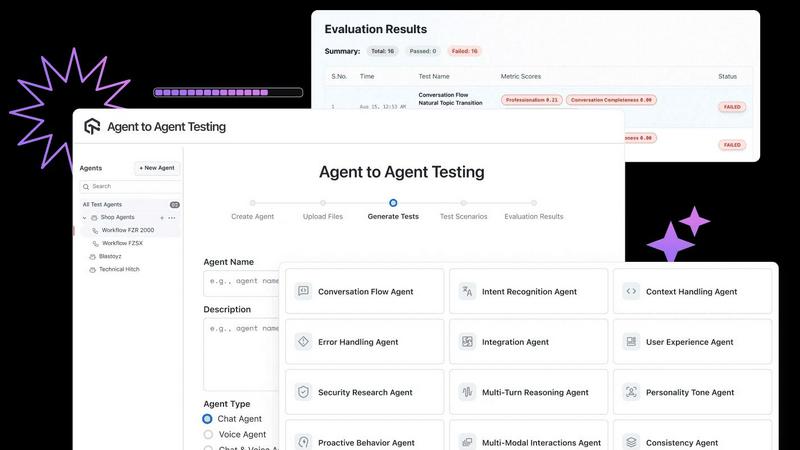
Validate AI agent performance across chat, voice, and phone interactions while detecting compliance and security risks.
Last updated: February 26, 2026
WearView
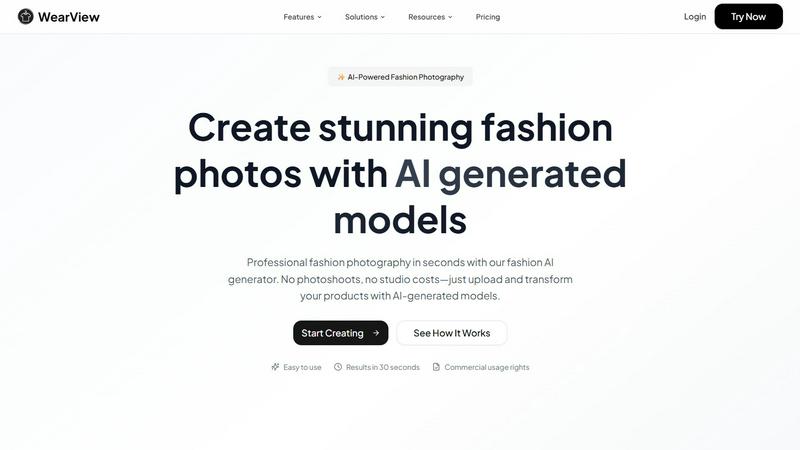
WearView instantly transforms flat clothing photos into realistic AI model visuals for fashion e-commerce.
Last updated: March 1, 2026
Visual Comparison
Agent to Agent Testing Platform
WearView
Feature Comparison
Agent to Agent Testing Platform
Automated Scenario Generation
This feature allows users to create diverse test cases for AI agents automatically, simulating various interactions such as chat, voice, hybrid, or phone calls. This capability ensures comprehensive coverage across different communication scenarios.
True Multi-Modal Understanding
By enabling the input of multiple formats, including text, images, audio, and video, this feature allows users to set detailed requirements that reflect real-world conditions. It helps gauge the expected output of AI agents in a more holistic manner.
Autonomous Test Scenario Generation
Access to a library of hundreds of pre-defined scenarios empowers users to efficiently evaluate AI agents. Custom scenarios can also be developed, catering to specific testing needs such as assessing personality tone or intent recognition.
Regression Testing with Risk Scoring
This feature conducts end-to-end regression testing, highlighting potential areas of concern through risk scoring. It allows organizations to prioritize critical issues, optimizing their testing efforts and ensuring a robust AI agent performance.
WearView
AI Virtual Try-On Studio
This core feature allows users to visualize how different outfits appear on various AI-generated models with photorealistic accuracy. Users can upload a garment image and seamlessly superimpose it onto a chosen model, enabling instant virtual fitting sessions. This technology provides a dynamic way to present products, offering customers a more realistic and engaging shopping experience that closely mirrors an in-store try-on, thereby reducing uncertainty and potential returns.
Product to Model Transformation
This functionality is designed to transform basic product photos, such as flat lays or images on mannequins, into complete lifestyle shots on human models. The AI intelligently interprets the garment's fit, drape, and texture, rendering it naturally on the model's body within a selected pose and background. It effortlessly bridges the gap between simple e-commerce catalog images and aspirational, context-rich photography that tells a brand story and connects emotionally with consumers.
AI Model Creation and Consistency
WearView provides tools to generate unique, diverse AI models from textual descriptions, offering full control over ethnicity, age, body type, and style. Crucially, the platform's Brand Consistency feature ensures that once a specific AI model persona is created, it can be reliably reproduced and used across multiple campaigns and photoshoots. This allows brands to build a recognizable and cohesive visual identity without the variability and scheduling challenges associated with human models.
AI Pose Control and Video Animation
Beyond static imagery, WearView offers precise AI Pose Control, enabling users to direct and adjust model poses, angles, and compositions to create catalog-ready or creatively specific imagery. Furthermore, the AI Fashion Video Generator brings static photos to life by animating models in dynamic motion. This feature is essential for creating engaging short-form video content for social media, advertisements, and website banners, adding a layer of depth and movement to digital fashion presentations.
Use Cases
Agent to Agent Testing Platform
Quality Assurance for Chatbots
Enterprises can employ the platform to rigorously test chatbots across various scenarios, ensuring they respond accurately and effectively to user inquiries while maintaining a friendly tone and adherence to data privacy policies.
Voice Assistant Testing
The platform is ideal for validating the performance of voice assistants, simulating real-world interactions to assess their understanding of user intent, tone, and their ability to handle complex queries seamlessly.
Phone Caller Agent Evaluation
Organizations can utilize the Agent to Agent Testing Platform to evaluate phone caller agents, ensuring they deliver a professional and empathetic interaction experience while adhering to compliance and escalation protocols.
Multi-Persona Testing
By leveraging diverse personas, businesses can simulate different user behaviors and needs during testing. This ensures that AI agents are equipped to handle a wide range of customer interactions effectively and efficiently.
WearView
E-commerce Product Listing Enhancement
Online retailers can use WearView to rapidly generate large volumes of professional, on-model photos for their entire product catalog. This transforms basic inventory images into compelling lifestyle visuals that showcase fit and style, significantly improving product page aesthetics. Enhanced listings lead to higher customer confidence, reduced perceived risk, and directly contribute to increased conversion rates and average order values, as demonstrated by platform metrics.
Agile Fashion Marketing and Campaigns
Marketing teams and agencies can leverage WearView to produce visual assets for time-sensitive campaigns, seasonal launches, or promotional events with unprecedented speed. The ability to generate diverse model shots in seconds allows for rapid A/B testing of visuals, creation of targeted ads for different demographics, and consistent output across email marketing, social media, and digital ads without the lead times and costs of traditional photoshoots.
Inclusive and Diverse Brand Representation
Brands committed to inclusivity can utilize the AI Model Creation feature to effortlessly generate a wide spectrum of models representing various ethnicities, ages, and body types. This enables brands to authentically reflect their diverse customer base in their imagery, fostering a stronger connection with broader audiences and aligning with modern consumer expectations for representation and authenticity in advertising.
Cost-Effective Content for Small Businesses and Startups
Independent designers, small fashion labels, and startup e-commerce stores can achieve a high-end visual presence without the prohibitive upfront investment of a professional photoshoot. WearView democratizes quality, allowing small businesses to create a polished, competitive brand image, test new designs visually before production, and allocate their limited budgets to other critical areas of growth while maintaining professional content standards.
Overview
About Agent to Agent Testing Platform
Agent to Agent Testing Platform is an innovative, AI-native quality assurance framework tailored to assess the performance of AI agents in real-world scenarios. As AI agents become increasingly autonomous and complex, traditional quality assurance methods designed for static software systems are proving inadequate. This platform offers a comprehensive solution that evaluates multi-turn conversations across various interfaces, including chat, voice, and phone interactions. It is aimed at enterprises that require rigorous validation processes before deploying AI agents in production. The platform excels in identifying long-tail failures, edge cases, and interaction patterns that manual testing often overlooks, ensuring that AI agents operate reliably and effectively. By leveraging a suite of over 17 specialized AI agents, it empowers businesses to simulate thousands of interactions, providing insights into critical metrics such as bias, toxicity, and hallucinations. Ultimately, the Agent to Agent Testing Platform is essential for organizations seeking to enhance the quality of their AI systems while maintaining user trust and satisfaction.
About WearView
WearView is an advanced, AI-powered virtual try-on and fashion photography platform engineered to transform the operational and creative workflows of the fashion and e-commerce industries. At its core, WearView specializes in converting standard flat-lay or on-hanger product images into high-quality, photorealistic visuals featuring AI-generated models wearing the garments. This technology eliminates the traditional, resource-intensive requirements of professional photoshoots, such as hiring models, photographers, securing studio space, and managing lengthy post-production editing. The platform is designed for a broad spectrum of users, including fashion retailers, independent designers, e-commerce brands, digital marketers, and content creators who seek to produce compelling, diverse, and scalable visual content efficiently. Its primary value proposition lies in dramatically reducing visual production costs by up to 90% and accelerating time-to-market by a factor of ten, while simultaneously enhancing key business metrics like conversion rates, average order value, and ad engagement. By democratizing access to studio-quality imagery, WearView empowers businesses of all sizes to maintain a competitive edge with a consistent, professional, and inclusive visual identity across all digital marketing channels.
Frequently Asked Questions
Agent to Agent Testing Platform FAQ
What types of AI agents can be tested using the platform?
The Agent to Agent Testing Platform supports various types of AI agents, including chatbots, voice assistants, and phone caller agents. This versatility allows for comprehensive testing across numerous interaction types.
How does the platform ensure comprehensive test coverage?
The platform employs automated scenario generation and a library of predefined test cases to create diverse testing scenarios. This approach ensures that AI agents are evaluated under multiple conditions, covering a wide range of potential user interactions.
Can I create custom test scenarios?
Yes, users have the capability to create custom test scenarios tailored to their specific needs. This feature allows for focused testing on particular aspects of AI behavior such as personality tone or intent recognition.
How does risk scoring work in regression testing?
Risk scoring provides insights into potential vulnerabilities in the AI agent's performance following updates or changes. The system highlights areas of concern, allowing teams to prioritize issues and optimize their QA efforts effectively.
WearView FAQ
How does WearView's AI ensure the clothing looks realistic on the model?
WearView employs sophisticated generative AI and computer vision algorithms trained on vast datasets of fashion imagery. The technology analyzes the uploaded garment's cut, fabric texture, patterns, and lighting. It then accurately simulates how the material would drape, fold, and interact with the virtual model's body shape and pose, including shadows and natural wrinkles, to produce a photorealistic composite that maintains the integrity of the original product's design.
Who owns the rights to the images generated by WearView?
WearView provides users with full commercial rights to all images generated on the platform. There are no ongoing usage fees, licensing complexities, or royalty payments. Every photograph or video created is the permanent intellectual property of the user, free to be used across websites, social media, paid advertising, print catalogs, and any other marketing channel in perpetuity.
What kind of input photo do I need to use WearView?
The platform is designed for flexibility. You can upload a photo of your clothing item in almost any state: laid flat on a surface, on a hanger, on a mannequin, or even on a person. While a clear, well-lit photo on a neutral background yields the best results, the AI is robust enough to work with various starting points, eliminating the need for professional photography equipment for the initial product shot.
Can I create videos with WearView?
Yes, in addition to static images, WearView includes an AI Fashion Video Generator feature. This tool can animate your AI-generated model shots, creating short, dynamic video clips that show models in motion. This is particularly valuable for creating engaging content for social media platforms like TikTok, Instagram Reels, and video advertisements, adding a modern and interactive element to your fashion marketing.
Alternatives
Agent to Agent Testing Platform Alternatives
The Agent to Agent Testing Platform is an innovative AI-native quality assurance framework specially designed to validate the behavior of AI agents across various communication channels, including chat, voice, phone, and multimodal systems. This platform is particularly crucial as it addresses the complexities of autonomous AI systems, which increasingly operate in unpredictable ways that traditional QA processes cannot adequately assess. Users often seek alternatives due to factors such as pricing, specific feature requirements, or the need for compatibility with existing platforms, reflecting a desire for tailored solutions that better align with their operational demands. When evaluating alternatives to the Agent to Agent Testing Platform, it is essential to consider several critical aspects. Look for platforms that offer comprehensive testing capabilities across multiple interaction types, scalability for synthetic user interactions, and robust validation mechanisms for compliance and security. Additionally, prioritize solutions that can accommodate the unique needs of your organization, such as integration with existing systems and access to advanced analytics for ongoing performance monitoring.
WearView Alternatives
WearView is an AI-powered virtual try-on and fashion visualization platform, categorized under AI assistants for creative and e-commerce workflows. It specializes in transforming flat product photos into realistic on-model imagery, helping brands create professional lifestyle content efficiently and at scale. Users may explore alternatives for various reasons, including budget constraints, specific feature requirements not fully met by a single platform, or the need for integration with particular e-commerce ecosystems or existing design software. The search often stems from a desire to compare core capabilities, pricing models, and the overall value proposition within this niche. When evaluating alternatives, key considerations should include the accuracy and photorealism of the virtual try-on output, the diversity and customizability of AI models, support for different content formats like images and video, ease of use, and the total cost of ownership. The ideal platform aligns with your production volume, quality standards, and operational workflow.