
Fusedash vs Karolium
Side-by-side comparison to help you choose the right product.

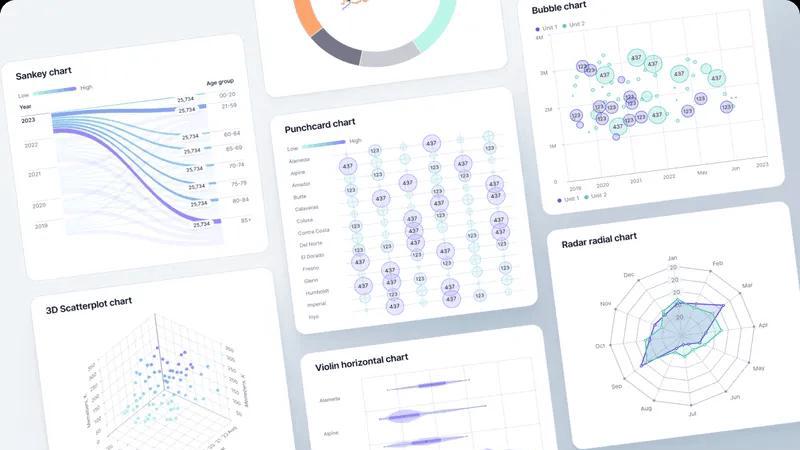
Fusedash transforms raw data into intuitive dashboards and interactive visuals for quick, informed decision-making.
Last updated: March 4, 2026

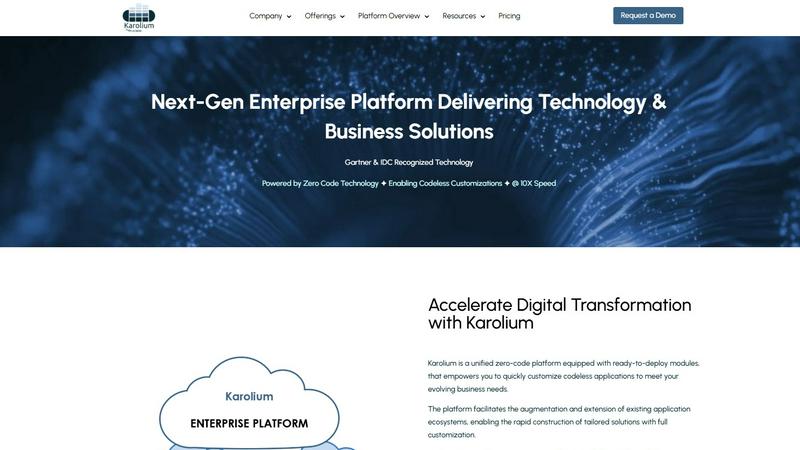
Karolium is a zero-code platform that enables rapid customization of enterprise applications for seamless digital.
Last updated: February 28, 2026
Visual Comparison
Fusedash
Karolium
Feature Comparison
Fusedash
Flexible Views
Fusedash offers the ability to create various dashboard views tailored to different audiences. Stakeholders can access the insights that matter most without the need for extensive back-and-forth communication. Customization options like layouts, filters, and time ranges ensure that each team receives relevant data in their preferred format.
AI Chart Generator
The AI Chart Generator enables users to create compelling charts from CSV files or APIs in mere minutes. This feature simplifies the process of selecting the appropriate chart type, applying comparisons, and refining labels to effectively communicate the data story, making it easy to integrate these visuals into dashboards or use them independently for reporting.
Dashboard Software
Fusedash combines the functionality of dashboards and reporting into a single workspace. This integration allows teams to monitor KPIs while also providing the necessary context through narrative reporting. By incorporating storytelling elements, users can clarify what changed, the implications of those changes, and future actions, reducing the risk of conflicting reports.
AI Chat
The Smart Chat feature offers users the ability to ask questions in plain language, facilitating quicker navigation through the data. By providing suggested metrics, charts, and breakdowns, Smart Chat allows users to transform insights into shareable dashboard views, making data exploration more intuitive and efficient.
About Karolium
Unified Zero-Code Development
Karolium offers a truly unified zero-code environment that allows users to design and customize applications without any programming knowledge. This feature significantly reduces the time and resources needed for application development, enabling organizations to respond quickly to changing business demands.
Pre-Composed Modules
The platform includes a library of ready-to-use, pre-composed modules that can be easily integrated into existing applications. These modules cover a range of functionalities, allowing businesses to augment their application ecosystems and create tailored workflows quickly and efficiently.
Built-In AI Capabilities
Karolium incorporates advanced artificial intelligence features, providing predictive and prescriptive analytics that help organizations anticipate trends and make informed decisions. This functionality enhances the intelligence of business applications, driving strategic evolution and improved operational outcomes.
Seamless Integration
Designed to work harmoniously with both legacy systems and modern microservices, Karolium ensures that organizations can maintain operational continuity while adopting new technologies. This feature allows for the easy integration of AI-driven applications into existing workflows, maximizing the value of current investments.
Use Cases
Fusedash
Marketing Performance Monitoring
Fusedash is invaluable for marketing teams looking to track campaign performance in real-time. By utilizing customizable dashboards, marketers can visualize key metrics, understand audience engagement, and promptly adjust strategies based on actionable insights.
Sales Analytics
Sales teams can leverage Fusedash to monitor sales performance, identify trends, and pinpoint areas for improvement. With interactive charts and real-time data, sales professionals can make informed decisions that enhance revenue generation and customer satisfaction.
Operational Efficiency Tracking
Operations teams can utilize Fusedash to analyze workflow efficiency and resource allocation. By creating detailed maps and dashboards, they can visualize operational bottlenecks and implement changes that improve productivity and reduce costs.
Financial Reporting
Finance departments can benefit from Fusedash by consolidating financial data into comprehensive reports. The ability to create consistent KPIs and metrics ensures that all stakeholders are aligned on financial performance, enabling more strategic decision-making.
Karolium
Accelerating Digital Transformation
Organizations looking to speed up their digital transformation initiatives can leverage Karolium to build and deploy applications rapidly. By eliminating the complexities of traditional coding, businesses can focus on innovation and responsiveness to market changes.
Customizing Workflows
Businesses frustrated with off-the-shelf solutions can use Karolium to create customized workflows that align with their unique operational needs. This adaptability ensures that organizations can optimize their processes without the constraints of rigid software.
Enhancing Data-Driven Decision Making
Karolium enables enterprises to harness the power of data through its built-in AI capabilities. Organizations can utilize predictive analytics to forecast trends and prescriptive analytics to recommend optimal actions, leading to more informed decision-making.
Improving Supplier Collaboration
With features designed for the new-age supply chain landscape, Karolium facilitates real-time collaboration with suppliers. Businesses can streamline procurement processes and enhance supplier relationships, improving overall supply chain efficiency.
Overview
About Fusedash
Fusedash is an advanced AI-powered data visualization platform that streamlines the process of transforming connected data into actionable insights. Designed for teams across various sectors, it serves as a unified workspace where users can create decision-ready dashboards, interactive charts, detailed maps, and narrative reports without the hassle of duplicating efforts across multiple tools. The core value proposition of Fusedash lies in its commitment to consistency and efficiency; users can define key metrics and KPIs once, ensuring that every view and report reflects the same trusted numbers. This feature is particularly advantageous for organizations seeking to eliminate manual reporting cycles and conflicting data narratives. Fusedash empowers users to monitor real-time data while also enabling them to drill down into specific segments, regions, or time periods to understand the underlying reasons behind data trends. With integrated AI functionalities like natural language data chat and smart visualization assistance, Fusedash simplifies data exploration and reporting, turning raw data into a shared source of truth that fosters alignment and drives decisive action.
About Karolium
Karolium is an advanced, unified zero-code platform designed specifically for organizations looking to create and customize applications without the complexities associated with traditional coding. Its innovative architecture combines the capabilities of iPaaS, aPaaS, oPaaS, and AIPaaS, enabling enterprises to rapidly build, extend, and personalize intelligent business solutions. This platform provides ready-to-deploy modules that simplify the development of custom applications, making it ideal for businesses across various sectors that require agility and efficiency in their digital transformation efforts. By removing the burdens of coding, Karolium empowers users to deploy applications swiftly, enhancing their operational effectiveness. The platform's built-in predictive and prescriptive capabilities leverage artificial intelligence, facilitating smarter decision-making and strategic growth. It is particularly advantageous for enterprises frustrated by rigid off-the-shelf solutions, as it offers a customizable environment that seamlessly adapts to specific workflows and operational needs.
Frequently Asked Questions
Fusedash FAQ
What types of data can Fusedash integrate?
Fusedash can integrate a wide range of data sources, including CSV files, APIs, and public datasets. This flexibility allows users to combine various data types into a single cohesive platform for analysis and reporting.
How does Fusedash ensure data consistency?
Fusedash allows users to define key metrics and KPIs once, which can then be reused across all dashboards and reports. This ensures that everyone in the organization is referencing the same trusted numbers, promoting transparency and alignment.
Is Fusedash suitable for non-technical users?
Yes, Fusedash is designed to be user-friendly, with features like the AI Chart Generator and Smart Chat that simplify data visualization and exploration. This makes it accessible for users without extensive technical expertise.
Can I customize the dashboards in Fusedash?
Absolutely. Fusedash offers extensive customization options for dashboards, including layouts, filters, and time ranges, allowing users to tailor their views to meet the specific needs of different teams and stakeholders.
Karolium FAQ
What types of organizations can benefit from Karolium?
Karolium is designed for a wide range of organizations, particularly those in industries looking to enhance digital transformation efforts, improve operational efficiency, and customize applications without the need for extensive coding knowledge.
How does Karolium support integration with existing systems?
Karolium is built to ensure seamless integration with both legacy systems and modern microservices applications. This feature allows businesses to adopt new technologies while maintaining continuity in their operations.
Can non-technical users effectively utilize Karolium?
Yes, Karolium is a zero-code platform specifically designed for users without programming backgrounds. Its intuitive interface and pre-composed modules empower non-technical users to build and customize applications easily.
What advantages does Karolium provide over traditional coding platforms?
Karolium eliminates the complexities and time constraints associated with traditional coding, enabling rapid application development. It also offers built-in AI capabilities and customizable modules, making it a more agile and efficient solution for enterprises.
Alternatives
Fusedash Alternatives
Fusedash is an AI-powered data visualization platform that belongs to the analytics and business intelligence category. It enables teams to convert raw data into clear dashboards and charts, promoting immediate action on insights. Users often seek alternatives to Fusedash due to various reasons, including pricing concerns, specific feature requirements, or the need for compatibility with existing platforms. Additionally, organizations may look for tools that better fit their unique workflows or user experience preferences. When choosing an alternative to Fusedash, it is essential to consider several factors. Look for platforms that offer similar capabilities in data visualization and dashboard creation, ensuring they can effectively transform raw data into actionable insights. Evaluate the user interface for ease of use, the flexibility of features, and the platform's ability to integrate with other tools your team already utilizes.
Karolium Alternatives
Karolium is a zero-code platform that falls under the category of enterprise application development. It allows organizations to rapidly customize and deploy applications without the need for traditional coding, thereby streamlining digital transformation initiatives. The platform is designed to enhance agility and efficiency by providing users with the tools necessary to create tailored solutions that meet their specific business requirements. Users often seek alternatives to Karolium for various reasons, including pricing, feature sets, and specific platform needs that may not be fully addressed by Karolium. When considering alternatives, it is essential to evaluate factors such as ease of customization, integration capabilities with existing systems, user accessibility, and the inclusion of advanced analytics tools. A thorough comparison of these elements will help ensure that the chosen solution aligns closely with the organization’s objectives and operational workflows.