
Image3D AI vs Postproxy
Side-by-side comparison to help you choose the right product.

Image3D AI
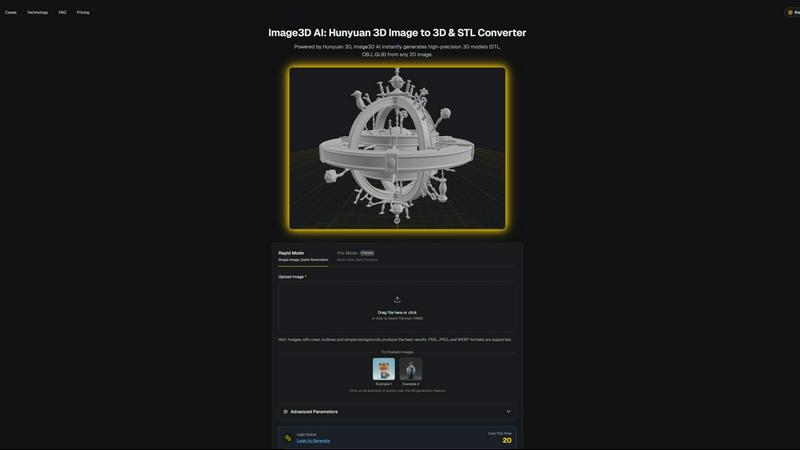
Image3D AI effortlessly converts 2D images into high-quality 3D models for printing and game development in minutes.
Last updated: March 1, 2026

Postproxy
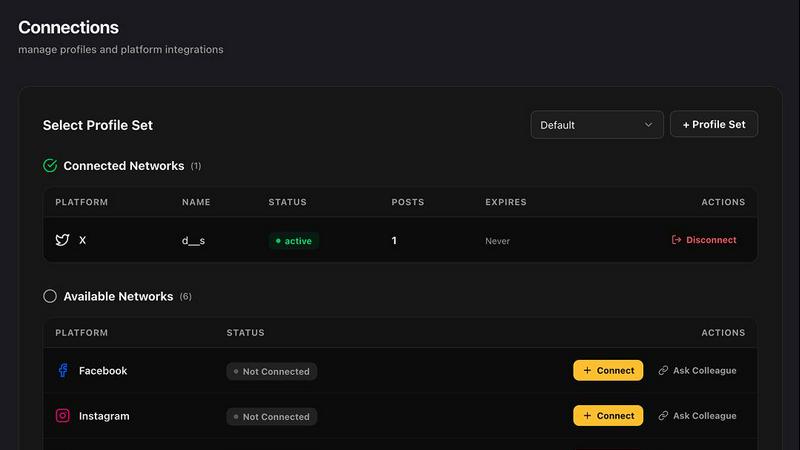
Postproxy simplifies social media publishing by unifying multiple platforms into one seamless API for efficient content.
Last updated: February 26, 2026
Visual Comparison
Image3D AI
Postproxy
Feature Comparison
Image3D AI
Rapid Mode
Rapid Mode allows users to generate 3D models quickly from a single image. This feature is particularly useful for those needing immediate results, making it ideal for quick iterations during the design process. Users can upload images and receive a 3D model in about 60 seconds, streamlining workflows.
Pro Mode
For users requiring higher precision and detail, Pro Mode supports multi-view inputs to create intricate 3D models. This feature is essential for accurately capturing the dimensions and textures of real-world objects, providing a more comprehensive representation suitable for professional applications.
Multi-Format Exports
Image3D AI offers the flexibility to export generated 3D models in various formats, including STL, OBJ, and GLB. This multi-format export capability ensures that users can seamlessly integrate their 3D assets into different platforms, whether for 3D printing, game development, or web applications.
PBR Material Generation
The platform includes PBR (Physically Based Rendering) material generation, which enhances the realism of 3D models by simulating how materials interact with light. This feature is crucial for users in gaming and e-commerce, where visual fidelity is paramount for user engagement.
Postproxy
Unified API Access
Postproxy consolidates the need for multiple platform-specific integrations into a single API endpoint. This simplifies the process of social media publishing, allowing developers to avoid the complexities associated with individual platform rules and requirements.
Automation of OAuth and Permissions
The platform automates the OAuth flows and manages token storage and refresh processes, reducing the burden on developers who would typically need to handle these tasks individually for each social media platform.
Content Adaptation and Format Conversion
When content is submitted for publishing, Postproxy automatically transforms it to meet the specific requirements of each platform, including format conversions and media limitations. This feature eliminates the need for manual adjustments and ensures consistency across channels.
Reliable Delivery Mechanisms
Postproxy incorporates built-in delivery guarantees, including automatic retries, awareness of rate limits, and clear reporting of publish states. This makes it easy to track what content has been successfully published and identify any issues that arise during the process.
Use Cases
Image3D AI
Game Development
Game developers can utilize Image3D AI to generate high-quality, game-ready 3D assets from concept art and sketches. By streamlining the modeling process, developers can focus on creating immersive experiences without getting bogged down in the intricacies of traditional modeling.
E-commerce
E-commerce professionals can convert product images into interactive 3D models that can be showcased in online stores. This capability allows customers to engage with products in a more dynamic way, enhancing the shopping experience and potentially increasing conversion rates.
3D Printing
Image3D AI serves as an effective image to STL converter, producing high-precision files suitable for 3D printing. This feature is beneficial for designers and makers who need ready-to-print models without extensive manual intervention, saving time and resources.
Architecture and Design
Architects and designers can rapidly generate architectural models from concept sketches or images, significantly reducing the time required to create models from scratch. This efficiency allows for quicker iterations and more effective collaboration with clients and stakeholders.
Postproxy
Streamlined Content Distribution
Businesses and content creators can use Postproxy to distribute their content across multiple social media platforms simultaneously, ensuring that their messaging remains consistent while saving time on manual posting.
Automated Social Media Campaigns
Marketers can integrate Postproxy into their automated workflows to launch large-scale social media campaigns. By scheduling posts in advance and utilizing AI-generated content, they can maintain an active online presence with minimal manual intervention.
Simplified Multi-Account Management
Agencies and brands managing multiple social media accounts can leverage Postproxy to simplify access control and ownership changes. This feature is crucial for efficient collaboration among teams and stakeholders.
Enhanced Analytics and Reporting
Postproxy provides analytics that help users understand the performance of their published content across platforms. By tracking engagement and reach, users can make data-driven decisions to improve their social media strategies.
Overview
About Image3D AI
Image3D AI is a groundbreaking AI-powered tool designed to transform the way users create 3D models from 2D images. By harnessing the advanced capabilities of Tencent's Hunyuan 3D engine, this innovative platform allows users to convert static images into high-quality, production-ready 3D assets in mere seconds. Catering to a diverse audience, including 3D printing aficionados, game developers, architects, and e-commerce professionals, Image3D AI effectively simplifies the intricate process of 3D modeling. Users can generate high-fidelity models from single images or multiple view inputs, ensuring flexibility in their creative endeavors. With functionalities such as multi-format exports and PBR material generation, Image3D AI is tailored to meet various application demands, making it an essential tool for anyone looking to produce customized 3D assets efficiently.
About Postproxy
Postproxy is an advanced social media publishing tool designed to streamline the complexities of managing multiple social networks, including Instagram, Facebook, YouTube, LinkedIn, and X. By offering a unified API, Postproxy eliminates the chaos associated with individual platform integrations, making it an essential solution for developers and automators working with tools like n8n, Zapier, and CI/CD pipelines. Its primary value proposition lies in transforming the social media publishing process into a predictable infrastructure. This is achieved through automation of OAuth, handling rate limits, automatic retries, content adaptation, and providing analytics—all from a single, reliable endpoint. Whether you are generating AI content or managing multiple accounts, Postproxy simplifies the entire publishing workflow, allowing users to focus on content quality rather than operational headaches.
Frequently Asked Questions
Image3D AI FAQ
What types of images work best for generating 3D models?
Images with clear outlines and simple backgrounds produce the best results. High-contrast images are preferable, while blurry or low-light images should be avoided.
How long does it take to generate a 3D model?
In Rapid Mode, a single image can be processed and converted into a 3D model in approximately 60 seconds. The time may vary based on the complexity of the input and the selected generation mode.
Can I use Image3D AI for professional projects?
Yes, Image3D AI is designed for a variety of professional applications, including game development, e-commerce, 3D printing, and architectural design, making it a versatile tool for professionals across industries.
What file formats can I export my 3D models in?
Users can export their 3D models in several formats, including STL for 3D printing, OBJ for traditional 3D editing, and GLB for modern web and augmented reality applications, ensuring compatibility with various software.
Postproxy FAQ
What social media platforms does Postproxy support?
Postproxy currently supports Instagram, Facebook, YouTube, LinkedIn, and X, allowing users to publish to multiple channels from a single API integration.
How does Postproxy handle publishing failures?
Postproxy is designed to manage operational failures by incorporating automatic retries, rate limit handling, and clear reporting of publish states. Users are always informed about what succeeded or failed, without the need for manual checks.
Is there a free plan available for Postproxy?
Yes, Postproxy offers a free plan that allows users to get started without any credit card requirements. Users can scale their usage as their needs grow.
Can Postproxy integrate with automation tools?
Absolutely. Postproxy is built for developers and automators, making it easy to integrate with tools like n8n, Zapier, and CI/CD pipelines, thus enhancing existing workflows and automating the publishing process.
Alternatives
Image3D AI Alternatives
Image3D AI is a groundbreaking software tool that belongs to the design tools category, specifically focusing on transforming 2D images into high-quality 3D models suitable for various applications like 3D printing and game development. Users who seek alternatives to Image3D AI often do so due to a variety of reasons, including pricing constraints, specific feature requirements, or compatibility with different platforms. As the landscape of 3D modeling tools continues to evolve, users may also seek solutions that better align with their unique workflows and project demands. When considering alternatives, it is essential to evaluate factors such as the range of supported export formats, the quality of generated models, ease of use, and the availability of additional features like material generation and operational modes. Furthermore, understanding the target user demographic and specific use cases can help in identifying a tool that meets both current and future needs.
Postproxy Alternatives
Postproxy is a robust tool designed for developers and automators, enabling seamless publishing to multiple social networks through a single API. It simplifies the often chaotic process of managing platform-specific requirements by offering features such as automated OAuth, rate limits, and analytics, making it an attractive solution in the design tools category. Users frequently seek alternatives due to varying needs like pricing structures, feature sets, or specific platform support that may not align perfectly with their operational requirements. When exploring alternatives to Postproxy, it’s essential to assess the features that matter most to your use case, such as ease of integration, scalability, and the ability to automate tasks effectively. Consider the pricing options available to ensure they fit within your budget while still providing the necessary functionality. Additionally, look for user reviews or case studies that can offer insights into the reliability and performance of the alternatives you are considering.