
Fashion Diffusion vs Postproxy
Side-by-side comparison to help you choose the right product.

Fashion Diffusion
The all-in-one AI fashion design platform built to power the next generation of professional apparel creation and e-commerce efficiency.

Postproxy
Postproxy simplifies social media publishing by unifying multiple platforms into one seamless API for efficient content.
Last updated: February 26, 2026
Visual Comparison
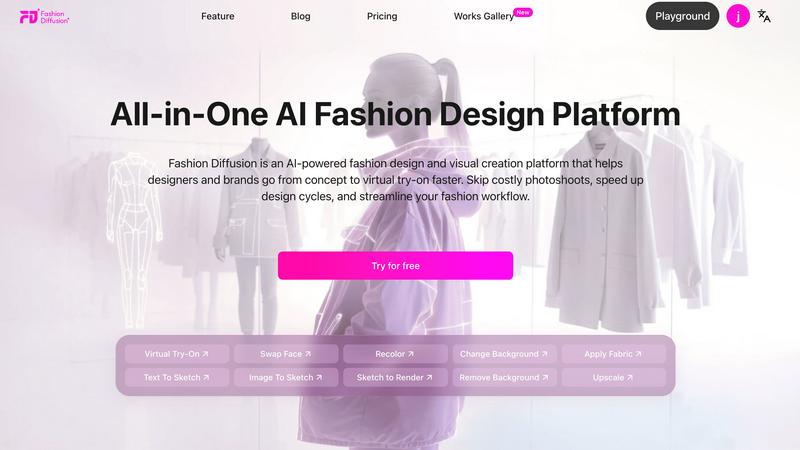
Fashion Diffusion
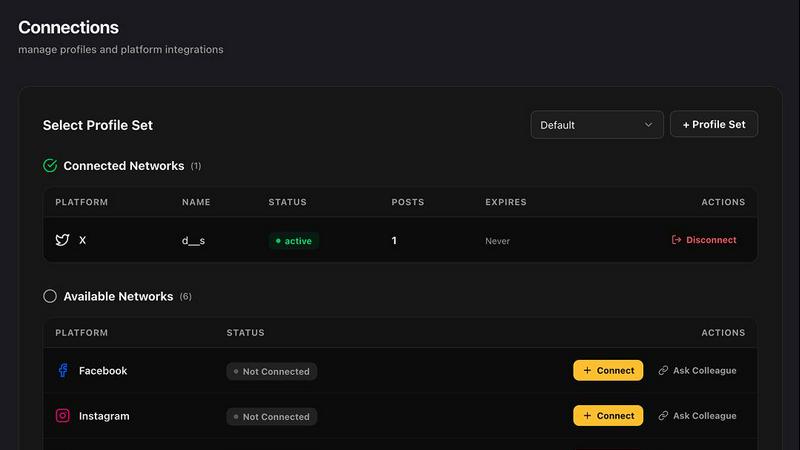
Postproxy
Overview
About Fashion Diffusion
Fashion Diffusion is a specialized AI fashion design platform for fashion professionals. We transform the design-to-sale pipeline with four core pillars: AI Shoots for realistic virtual try-ons and model generation; AI Restyle for instant fabric and color innovation; Sketch-to-Render for turning hand-drawn ideas into 3D-like visuals; and Pro Tools for pattern extraction and background editing. Skip the physical samples and expensive photoshoots—go from concept to market-ready visuals in seconds. Slash sampling and photoshoot costs by replacing traditional photography with professional-grade AI visuals.
About Postproxy
Postproxy is an advanced social media publishing tool designed to streamline the complexities of managing multiple social networks, including Instagram, Facebook, YouTube, LinkedIn, and X. By offering a unified API, Postproxy eliminates the chaos associated with individual platform integrations, making it an essential solution for developers and automators working with tools like n8n, Zapier, and CI/CD pipelines. Its primary value proposition lies in transforming the social media publishing process into a predictable infrastructure. This is achieved through automation of OAuth, handling rate limits, automatic retries, content adaptation, and providing analytics—all from a single, reliable endpoint. Whether you are generating AI content or managing multiple accounts, Postproxy simplifies the entire publishing workflow, allowing users to focus on content quality rather than operational headaches.