
CloudBurn
CloudBurn delivers automatic AWS cost estimates in pull requests to help you avoid costly infrastructure.
Visit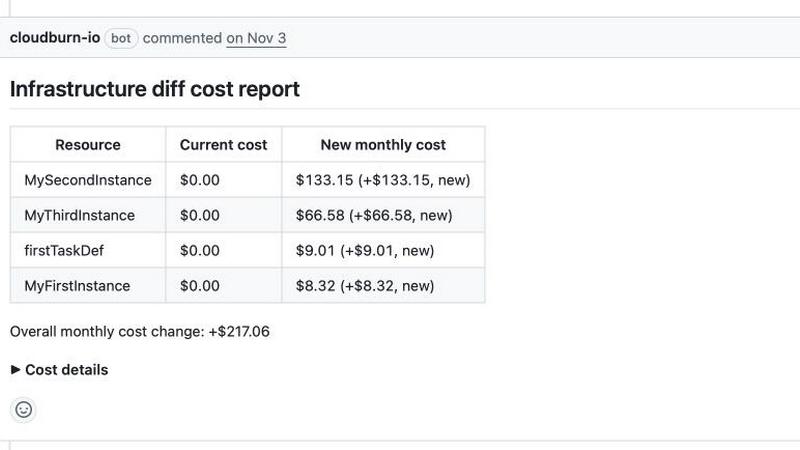
About CloudBurn
CloudBurn is an innovative FinOps and developer productivity tool designed to revolutionize cloud cost management by shifting it left in the software development lifecycle. Tailored for engineering teams utilizing Infrastructure-as-Code (IaC) frameworks, such as Terraform or AWS Cloud Development Kit (CDK), CloudBurn allows users to provision and manage AWS resources efficiently. Its primary value proposition lies in its ability to prevent costly infrastructure misconfigurations from reaching production environments by offering real-time, pre-deployment cost visibility directly within the developers' workflows. Unlike traditional cloud cost monitoring, which is often reactive and occurs only after deployment when bills arrive, CloudBurn proactively integrates into the CI/CD pipeline. By seamlessly connecting with GitHub, it automatically analyzes pull requests containing IaC changes, calculates the precise monthly cost impact using live AWS pricing data, and posts a detailed cost report as a comment within the code review. This empowers developers and reviewers to engage in informed discussions about cost efficiency alongside code quality, security, and performance, enabling proactive optimization at a stage where changes are easy to implement. CloudBurn transforms cloud financial management into a collaborative, automated practice led by engineering teams, thus ensuring continuous cost control.
Features of CloudBurn
Real-Time Cost Estimates
CloudBurn provides real-time cost estimates for infrastructure changes before they are deployed. This feature allows developers to see the exact dollar impact of their changes, preventing unexpected costs from appearing in production.
Seamless GitHub Integration
The tool integrates effortlessly with GitHub, allowing users to add cost analysis directly into their existing workflows. Developers can install CloudBurn via the GitHub Marketplace, making it a straightforward addition to their CI/CD pipeline.
Automated Cost Analysis
CloudBurn automates the cost analysis process by analyzing the output of Infrastructure-as-Code tools like AWS CDK and Terraform. It captures the necessary data, calculates the cost impact, and posts detailed reports as comments on pull requests, ensuring transparency for all team members.
Continuous Cost Control
By embedding cost visibility into the development lifecycle, CloudBurn facilitates continuous cost control. This proactive approach ensures that cost efficiency is a key consideration throughout the development process, rather than an afterthought.
Use Cases of CloudBurn
Preventing Costly Misconfigurations
CloudBurn is ideal for teams looking to avoid costly misconfigurations before they hit production. By providing pre-deployment cost visibility, teams can catch issues early, saving both time and money.
Enhancing Developer Productivity
With automated cost analysis integrated into their workflows, developers can focus on building high-quality code without the fear of incurring unexpected cloud costs, enhancing overall productivity.
Improving Team Collaboration
By bringing cost discussions into the code review process, CloudBurn fosters collaboration among team members. Developers, reviewers, and finance teams can discuss cost-efficiency alongside code quality, security, and performance.
Simplifying Cloud Financial Management
CloudBurn simplifies cloud financial management by providing a clear and automated way to understand cost implications. This reduces the reliance on manual estimations and spreadsheets, streamlining the process for teams.
Frequently Asked Questions
How does CloudBurn integrate with GitHub?
CloudBurn integrates with GitHub by allowing users to install it from the GitHub Marketplace. Once installed, it automatically analyzes pull requests containing IaC changes and provides cost estimates directly in the code review process.
What Infrastructure-as-Code frameworks does CloudBurn support?
CloudBurn is designed to support popular Infrastructure-as-Code frameworks, specifically Terraform and AWS Cloud Development Kit (CDK). This ensures that teams using these technologies can benefit from its cost analysis capabilities.
Can I use CloudBurn for free?
Yes, CloudBurn offers a free plan that allows users to get started without any upfront costs. Additionally, there is a 14-day Pro trial available for users to experience premium features before deciding on a subscription.
How does CloudBurn calculate cost estimates?
CloudBurn calculates cost estimates by analyzing the live pricing data from AWS. It assesses the changes made in the pull request and provides a detailed cost report based on the current pricing for the AWS resources being modified or added.
Explore more in this category:
Similar to CloudBurn

The launch platform for indie makers — schedule your launch, get in front of buyers, and blast across directories.

AgencyFlo is the AI-native operating system for agencies - one platform for projects, time, CRM, proposals, contracts and invoicing.

AI-powered Upwork job feed. Every new job is scored against your profile and strategy in real time, and you get an instant notification


