

Alternatives to Startup Science
Startup Science is a unified operating system that connects founders, accelerators, mentors, and investors into a single, integrated startup.
Explore 20 alternatives to Startup Science. Compare features, pricing, and find the best fit for your needs.


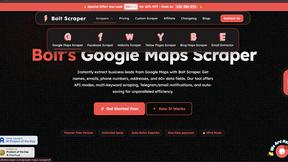
Bolt Scraper
Powerful web scraping tools designed for businesses to gather leads from various platforms.

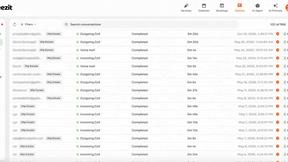



AgencyFlo
AgencyFlo is the AI-native operating system for agencies - one platform for projects, time, CRM, proposals, contracts and invoicing.

Vibeworker
AI-powered Upwork job feed. Every new job is scored against your profile and strategy in real time, and you get an instant notification
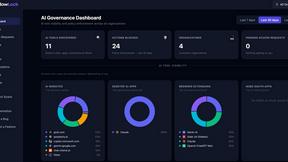
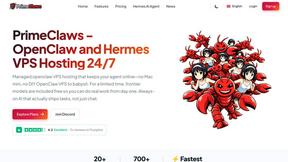

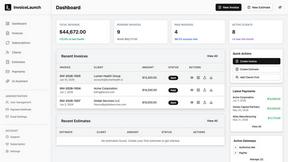
InvoiceLaunch
Create professional invoices, accept payments via 12 gateways, and manage clients — all in one place. Recurring billing, estimates, and an AI assist
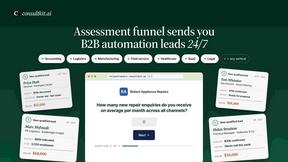
ConsultKit
ConsultKit is an AI-driven operating system that qualifies leads, prepares consultants for calls, and produces branded paid audits, enabling one.
Temp Mail 100
Temp Mail 100 provides disposable email addresses to protect your privacy, prevent spam, and enable anonymous registrations without any registration.

ExploreGF
ExploreGF is a comprehensive hub for comparing and filtering AI girlfriend characters across multiple platforms, eliminating the need to visit.
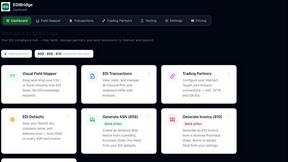
EDIBridge
EDIBridge offers affordable cloud EDI solutions for retail compliance, enabling fast setup and flat-rate pricing to save you money.
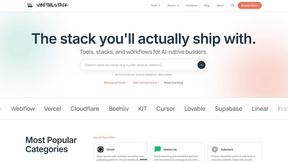
Vibetoolstack
Vibetoolstack is a curated directory of 45 reviewed tools and stacks for AI-native developers to ship production-ready projects.
About Startup Science Alternatives
Startup Science is a comprehensive software platform categorized as a unified operating system for startups and their supporting ecosystem. It is designed to replace the fragmented collection of tools commonly used by founders, accelerators, investors, and mentors with a single, cohesive platform. This system is built upon a proprietary, research-backed framework known as the Startup Lifecycle, which aims to provide a structured, evidence-based path guiding ventures from initial idea through to a successful exit. Users may explore alternatives to Startup Science for several common reasons. These include budget constraints and specific pricing model preferences, a need for more specialized or niche functionality that a broad platform may not offer in depth, or a desire for a different technological approach such as a best-of-breed suite of integrated point solutions. When evaluating alternatives, it is crucial to consider the core need: whether you require a holistic ecosystem connector or a specialized tool for a single function. Key decision factors should include the platform's underlying methodology or framework, its ability to scale with your organization's growth, the depth of integration between different modules, and the overall flexibility to adapt to your unique operational workflows.
FAQs about Startup Science Alternatives
What is Startup Science?
Startup Science is a unified operating system designed to consolidate the entire startup ecosystem. It replaces a chaotic patchwork of disconnected tools like separate CRMs, LMS platforms, and spreadsheets with one cohesive software platform. This system is built on a research-backed, seven-phase Startup Lifecycle framework developed over 35 years and validated by 12 successful exits, providing a clear, structured path from idea to exit for new ventures.
Who is Startup Science for?
Startup Science serves every key stakeholder in the startup ecosystem. It provides founders with a structured cockpit to guide their journey, while accelerators, universities, and Entrepreneurial Support Organizations (ESOs) gain scalable program management tools. The platform also enables mentors to offer better advice with shared context, gives investors access to higher-signal deal flow, and allows service providers to reach founders at their precise moment of need through a Unified Startup Profile.
What are the main features of Startup Science?
The core feature of Startup Science is its unified platform that connects all ecosystem participants on a single system with shared data. It is structured around the evidence-based, seven-phase Startup Lifecycle, providing a measurable framework for progress. Key functionalities include a centralized cockpit for founders, scalable program management for ESOs, and tools for mentors and investors, all synchronized through a Unified Startup Profile that creates a common language and tracking system.
Why choose Startup Science over disconnected tools?
Startup Science is chosen to eliminate the inefficiencies and data silos created by using a patchwork of disconnected applications. It creates a synchronized ecosystem where all stakeholders—founders, ESOs, mentors, and investors—operate from the same data and framework, enabling measurable progress and better collaboration. This unified approach turns isolated efforts into a cohesive, efficient system designed to increase the success rate of startups by providing a clear, research-validated roadmap from inception to exit.